Commercial locks & hardware · Metro Atlanta
Mortise locks, deadbolts, lever sets, handles and keyed-alike systems for offices, stores, restaurants, warehouses and apartment buildings across metro Atlanta. We check the door and frame before we quote the lock. Free written estimate.
What we do
A residential lock on a commercial door fails within a year because it was never built for a thousand cycles a week. We fit hardware graded for the traffic the door actually sees.
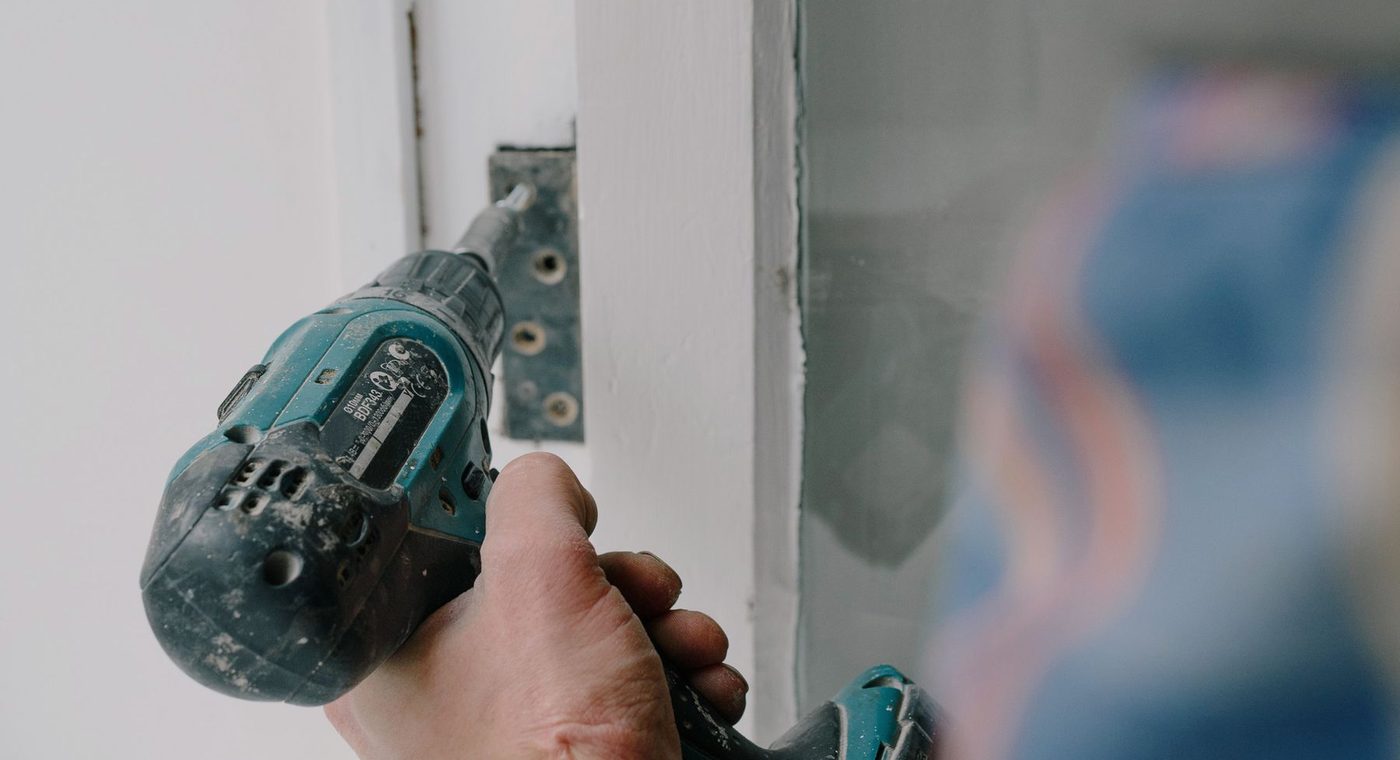
The lock body sits in a pocket cut into the door edge, which is why they outlast bored locks on heavy doors. We install new ones, replace worn bodies and cut the pocket where a door was never prepped for one.
Single-cylinder deadbolts with a reinforced strike plate screwed into the frame rather than the trim, so the bolt holds when the door is kicked. On an exit door we tell you what the fire marshal allows before anything is bored.
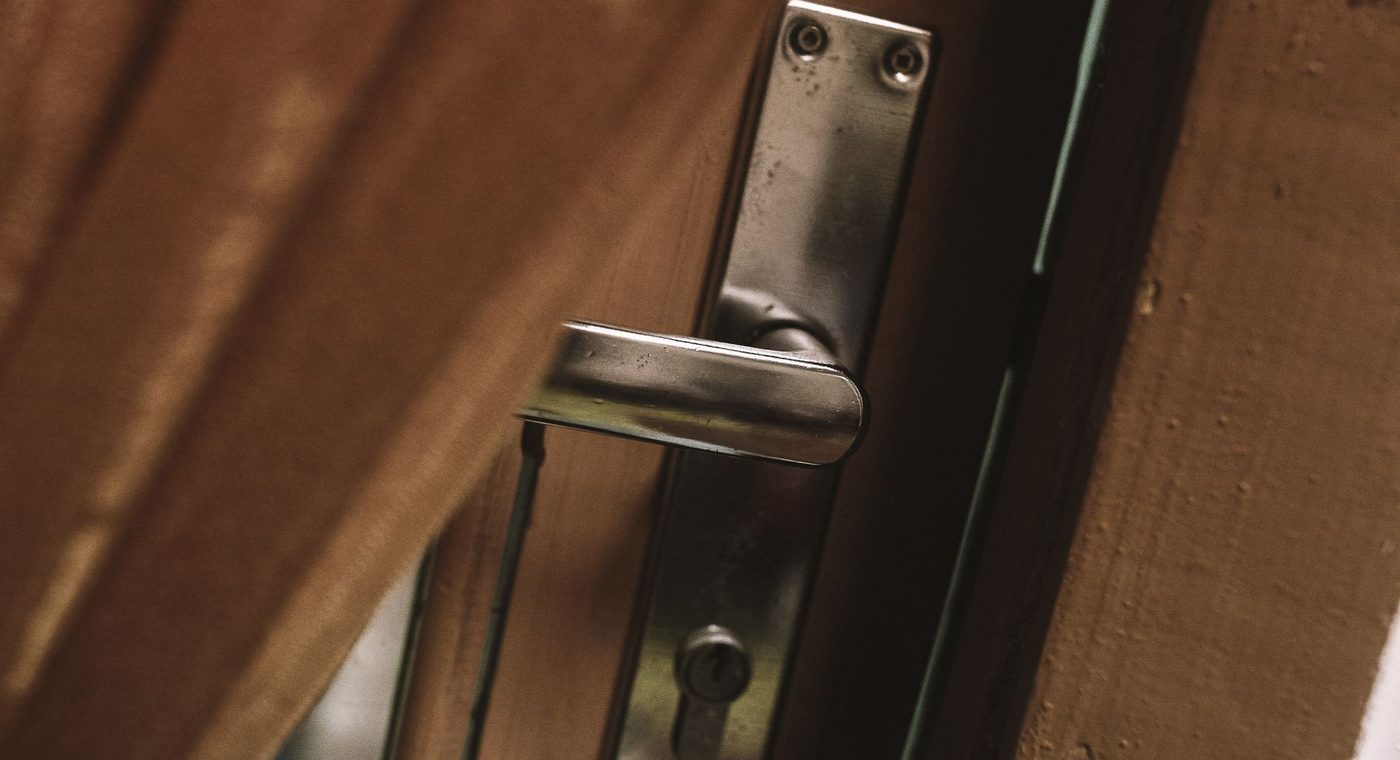
Grade 1 and Grade 2 lever locks for offices, stores and restrooms, in the function the door needs: passage, privacy, storeroom, classroom or entry. A lever that droops was the wrong grade for the traffic.
One key that opens every door a manager needs and none of the doors they do not. We pin the cylinders to a keying schedule you sign off on, and record it so the next lock added fits the system.
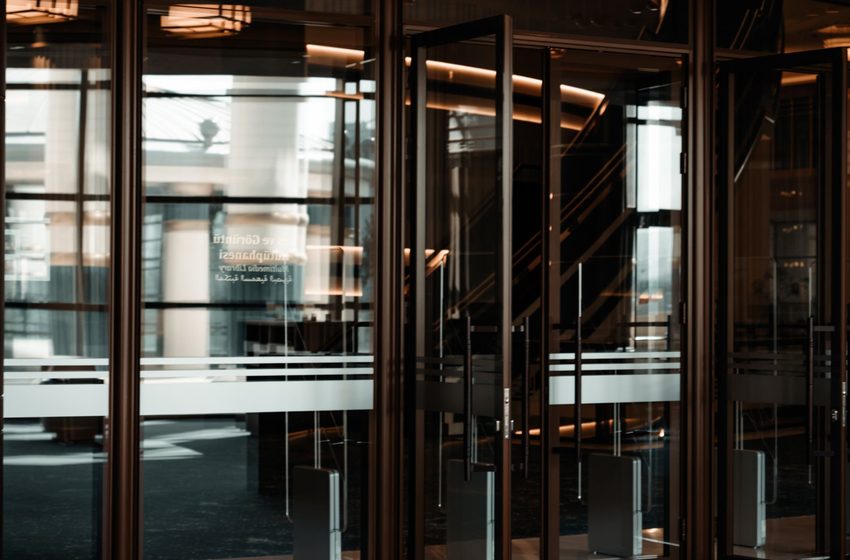
Narrow-stile deadlatches, hook bolts and paddle handles for aluminum glass doors, which take different hardware from a wood or steel door and are misfitted more often than any other.
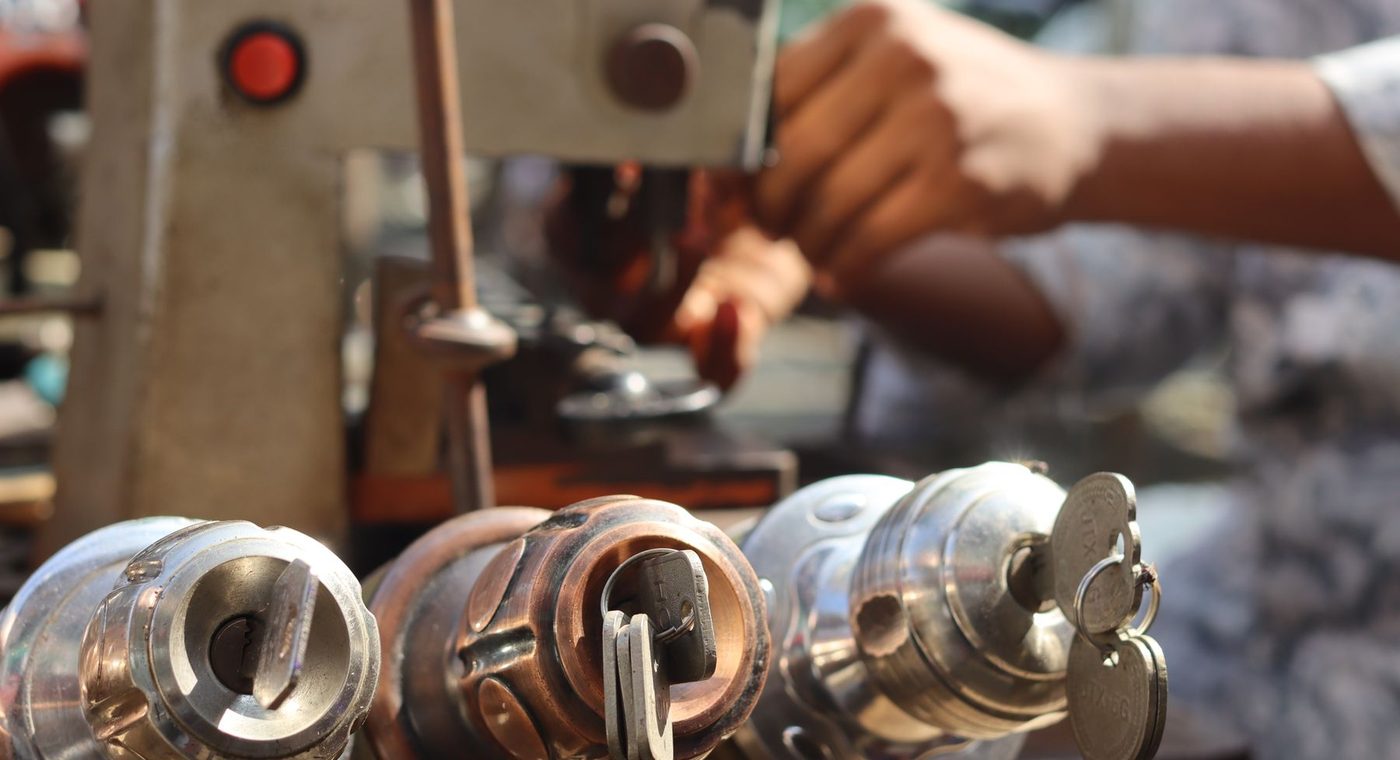
Cylinder swaps, key duplication for the whole system, and restricted keyways where you need to know nobody is copying keys at a hardware store.
How we work
Most lock problems on a commercial door are not lock problems. A sagging door, a bent strike, a frame that spread when the building settled: the latch misses by an eighth of an inch and the lock gets blamed. We check the hang, the gap and the strike first. Fixing the door and keeping the lock is sometimes the whole job, and we say so in the estimate.

Hardware is graded for how many cycles it survives, and functions differ: a storeroom lock is always locked from outside, an entry lock can be left unlocked, a classroom lock is keyed from the corridor only. Put the wrong function on a door and staff prop it open with a chair, which is the failure that actually costs you. We ask how each door is used before we pick the hardware.

The lock is fitted, the strike is set so the latch catches without slamming, and every door is cycled with the key and the lever before we leave. If it is a keyed-alike or master system, you get the keying schedule in writing when the job closes out, so the next door added fits the system instead of starting a new one.

Why homeowners choose us
Anyone can bore a hole and screw a lock in. What decides whether it works in year three is the grade, the function and the alignment:

The quote
Hardware is priced by grade and function, labor by what the door needs done to take it. Two doors that look the same can be different numbers, and the estimate says why.
Good to know
Not seeing yours? Call (470) 691-8439 and just ask — we're happy to help.
A cylindrical lock goes through a hole bored in the door; a mortise lock sits in a pocket cut into the door's edge, with the latch and deadbolt in one body. Mortise costs more and takes longer to fit, and on a heavy or busy door it lasts far longer. On a light interior office door a Grade 2 cylindrical lever is usually the right money.
Yes, and most businesses want something more useful than that: a master key for the manager, a sub-master per department, and change keys that open one door each. We draw the keying schedule with you first, then pin every cylinder to it. A door added later fits the schedule instead of adding another key to the ring.
A drooping lever is a worn spring cage or the wrong grade of lock on a busy door; a sticking latch is usually the strike out of line because the door has sagged. We check both. Sometimes the fix is a strike adjustment and a longer hinge screw; sometimes the lock is done and the right replacement is the next grade up.
Rekeying is usually enough: we change the pins in the existing cylinders so the old keys stop working, and cut new ones. It costs less than new locks and takes an hour or two for most offices. If your keys are on a restricted keyway that nobody can copy, sometimes only the doors they held a key for need doing.
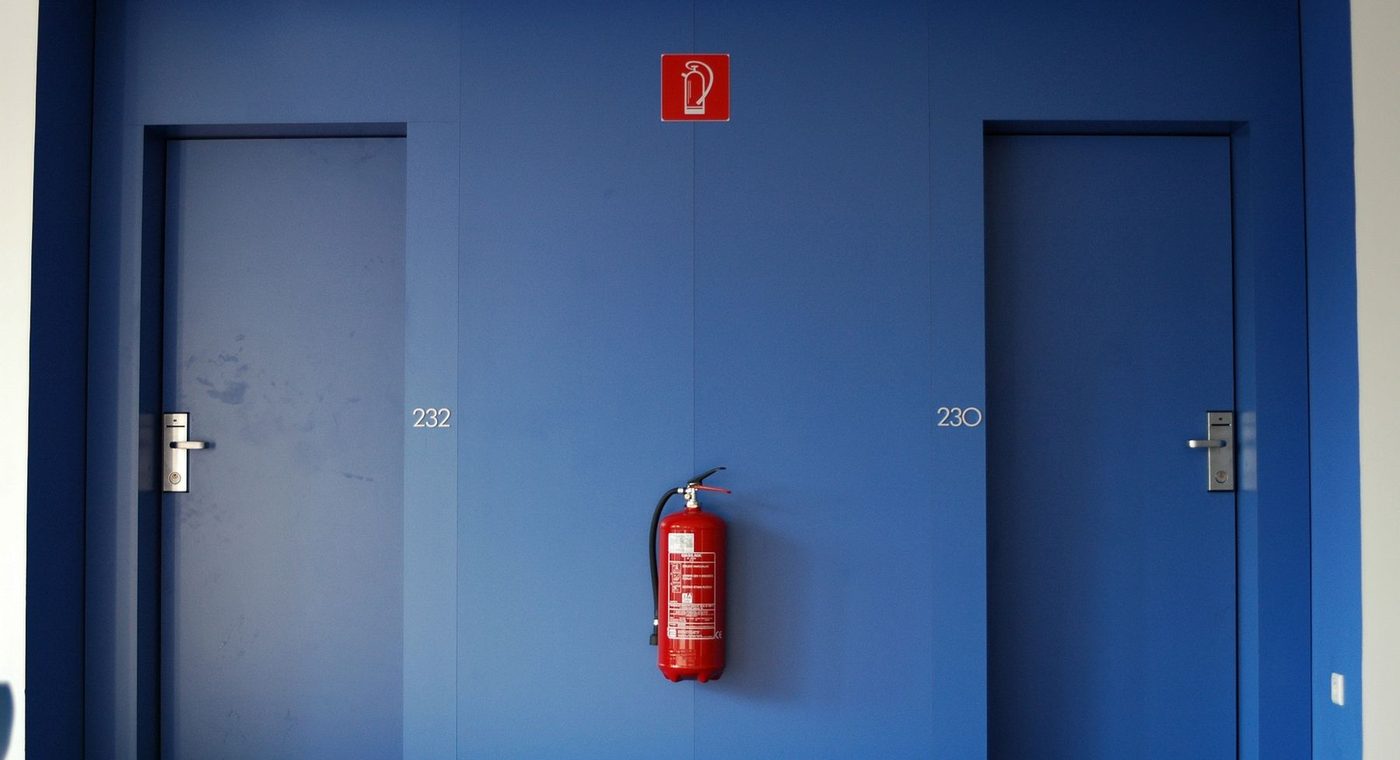
It depends on the door. On a door people leave through in a fire, the fire marshal expects it to open from inside with one motion and no key, and a keyed deadbolt on that door can fail an inspection. We tell you which of your doors that applies to and fit hardware that locks from outside without trapping anyone inside.
Where we work
Based at 3850 Holcomb Bridge Rd, Peachtree Corners, GA 30092, serving the communities below.
Not sure if you're in range? Give us a call — if you're nearby, we'll take care of you.
Free estimate
Send the form and we call you back the same business day with a time for a walkthrough or a same-day visit. Every number you get from us is in writing.